









The Instant Pot is a versatile kitchen appliance that goes far beyond basic pressure cooking. It functions as a one-stop solution for cooking, steaming, sautéing, and even reheating food.

If you've been relying on the microwave or stove top to warm leftovers, you’ll find the Instant Pot method a welcome upgrade.
Reheating meals in an Instant Pot pressure cooker allows you to preserve the original texture, flavor, and nutritional value of your food.
The moist, steamy environment keeps food from drying out. Unlike microwaves, which often produce uneven or rubbery results, the Instant Pot reheats meals gently and thoroughly.
Jump to:
This method also aligns with traditional methods of cooking of using natural steam to warm your food.
In addition to reheating, the Instant Pot helps reduce your reliance on multiple kitchen appliances. You can go from freezer to table in one pot without dirtying extra pans or bowls.
Whether you're warming leftovers for one or feeding a family, this all-in-one appliance simplifies your routine.
It's a good idea to learn the many ways this tool can benefit your kitchen.
Instant pot's ability to reheat
Using an Instant Pot to reheat food offers several clear benefits over conventional methods like microwaving or using a regular pot on the stove top.
While microwaves might reheat in less time, they often sacrifice quality. Food can become rubbery, dry, or overheated in spots while still cold in others.
That inconsistency also leads to potential nutrient degradation.
By contrast, the electric pressure cooker creates a sealed, steamy environment that distributes heat evenly.
This results in food that retains its moisture, flavor, and nutrients—making it a great alternative for anyone prioritizing health or taste.
Here are some key advantages:
Better texture
Steam-based reheating keeps food moist and soft. Whether you're warming grains, roasted vegetables, or leftover soup, the texture stays close to freshly made.
You won’t get the dried-out edges or rubbery centers common with microwaving.
Pasta stays springy instead of sticky. Casseroles stay creamy instead of crusty.
Nutrient retention
Pressure and steam help preserve nutrients better than high-heat microwaving.
This makes the Instant Pot method appealing for those following a health-focused lifestyle or Ayurvedic approach.
Vitamins, minerals, and enzymes are retained longer in moist heat than in dry or irradiated conditions.
Even heating
Food warms evenly throughout, especially when you use heat-safe container.
No more cold spots or scalding bites—just consistent warmth.
The controlled internal environment and sealed lid make it easy to replicate the same results every time.
Multi-meal convenience
You can reheat much food at once using stackable containers, which helps cut down on cooking time.
This is especially useful for meal preppers, large households, or busy schedules.
Cook once and reheat for days—without sacrificing quality or flavor.

Instant pot reheating method
Reheating in the Instant Pot is easy when you follow these simple steps.
The pressure cooking method is ideal for when you want hot, evenly heated food without compromising taste or texture.
Step 1: Prepare your food in heat-safe containers
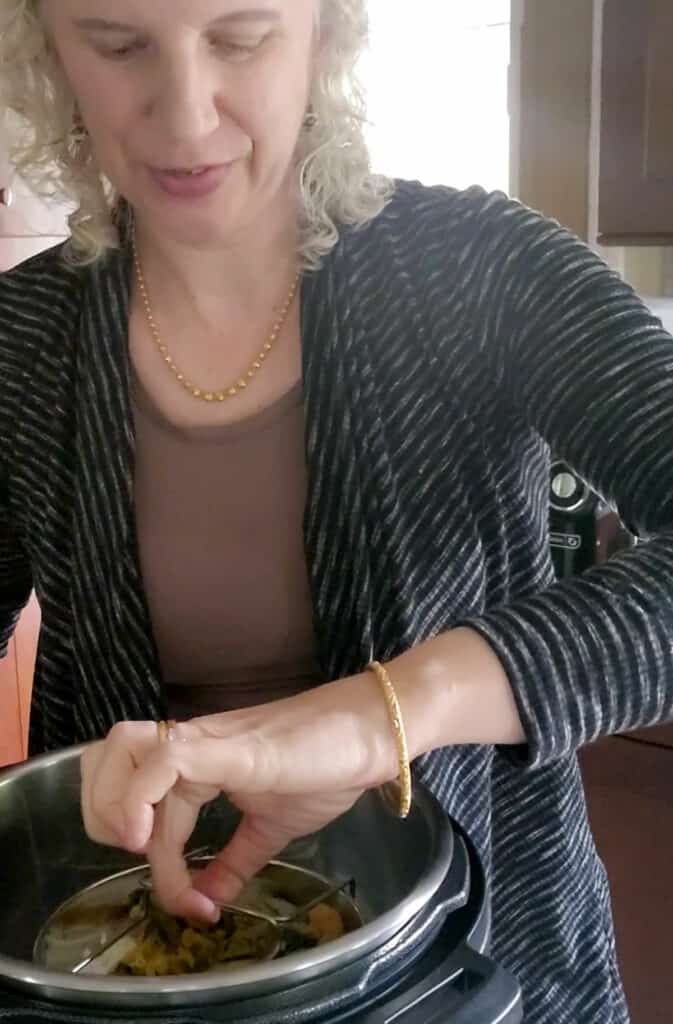
Begin by transferring your leftovers into heat-proof containers.
Use a stainless steel bowl or glass bowl that fits easily into your inner pot.
Avoid plastic containers, which can warp, melt, or leach chemicals under high heat.
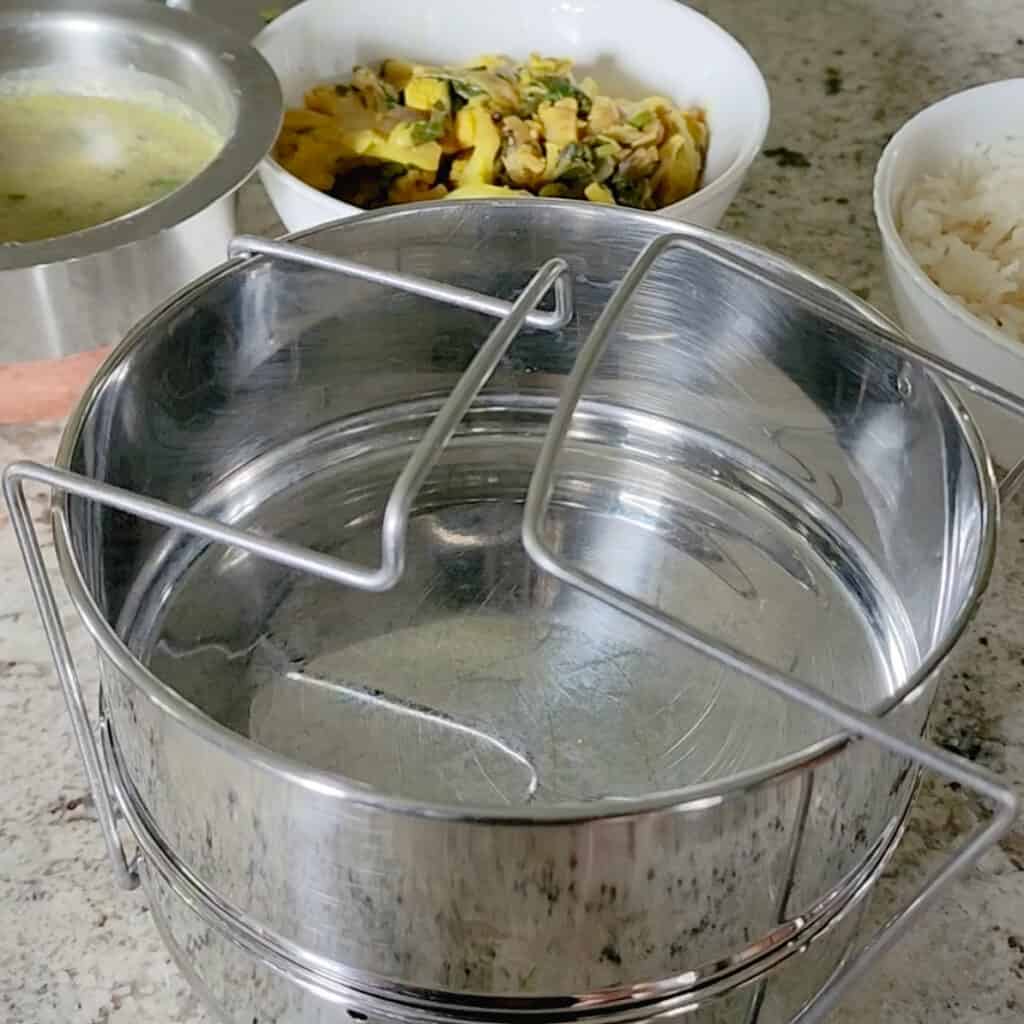
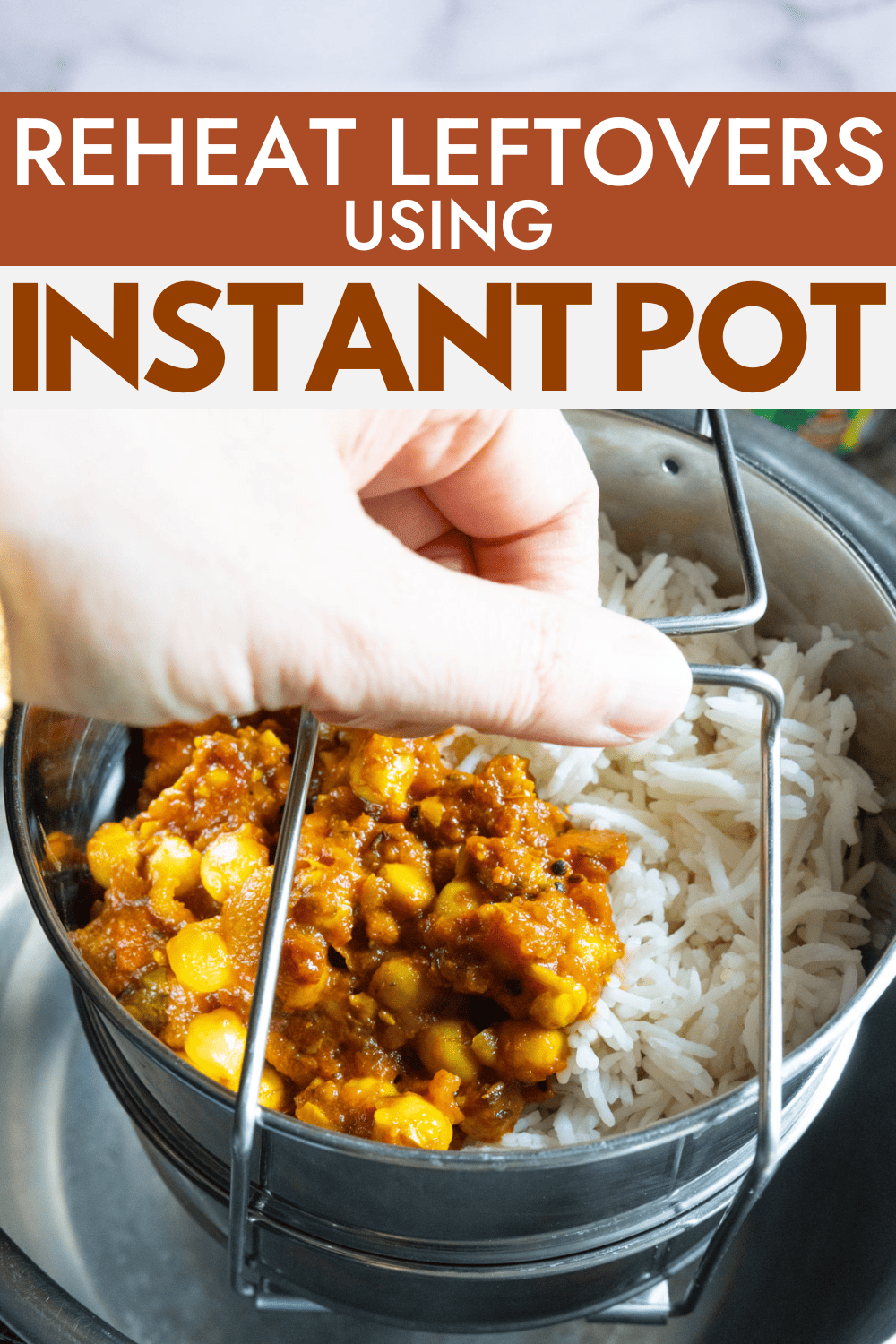
Stackable food containers offer a great way to reheat multiple dishes at once.
These typically fit neatly above one another and sit on a trivet inside the pot.
If your containers are not stackable, place one container on the top of the trivet to ensure it stays elevated.
This prevents direct contact with the bottom of the pot, where excessive heat could cause burning.
Choose containers that have snug-fitting lids to help lock in moisture.
For open-topped containers, cover them with foil to prevent water from dripping into the food.
Step 2: Add water to the Instant Pot
Pour at least 1 cup of water into the insert pot. This creates the steam that allows the Instant Pot to come to pressure.
Without this water, the pot will not function correctly.
If your dish includes rice, grains, or pasta that may have dried out, add a bit of liquid—like water or broth—inside the container itself.
About 1–2 tablespoons is enough to refresh and rehydrate your food.
Make sure the water level doesn’t rise above the trivet. If water touches the containers, it may dilute or overcook the food inside.
Step 3: Set to pressure cook
Secure the Instant Pot lid and ensure the steam release handle is turned to the sealing position.
Press the Pressure Cook or Manual button, set to High Pressure, and adjust the cook time to 5 minutes.
Once the cycle is complete and the timer beeps, allow a natural pressure release for about 10 minutes.
This continues gently heating the food while reducing pressure.
Then, turn the steam release handle to vent and perform a quick release pressure to let out any remaining pressure.
Once the float valve drops, open the lid safely and check the food. If it needs more heat, simply reseal and cook for another 2–3 minutes.
Monitor for condensation build-up on the lids of your containers. Wipe it off carefully to avoid water dripping into your food.
Step 4: Optional - Use KEEP WARM or SLOW COOK
If you're not in a rush, the warm function is perfect for bringing food to the perfect temperature gradually.
Set it for 10–20 minutes depending on the type of dish. This works especially well for tender foods like oatmeal, lentils, or delicate casseroles.
The slow cook function mimics a slow cooker and reheats food over 30–60 minutes.
This method is ideal for thick stews, lasagna, or layered grain dishes. If using this function, opt for the optional glass lid instead of the locking pressure lid.
This gives you easy access for stirring or monitoring.
Both methods offer a good tip for meals you want to keep warm without overcooking.
The slow cook function is also perfect for defrosting semi-frozen meals with minimal effort.
Step 5: Finish and serve
Carefully remove containers using silicone mitts or tongs.
Stir the contents thoroughly, especially for hot soup or grain dishes, to ensure uniform temperature.
Give the dish a good stir, taste, and add finishing touches such as fresh herbs, lemon, salt, or olive oil.
Let the food rest for a minute to allow any trapped steam to dissipate and flavors to meld. This also makes it safer to eat immediately.
If you're serving to a crowd, return the containers to the Instant Pot on keep warm until you're ready to plate.

Instant pot helpful tools and accessories
To get the best results, you’ll want to keep a few essential tools on hand:
- Heat-safe containers: Choose glass bowls or stainless steel bowls that fit inside your Instant Pot without blocking the lid. Look for BPA-free, food-grade materials if purchasing new sets.
- Trivet or steamer rack: Keeps your containers elevated above the water line, ensuring even heating and protecting the bottom of the pot from residue.
- Optional glass lid: Allows for easy access when using warm mode or slow cook settings. This lid also prevents water from collecting on food during long warm-ups.
- Instant Pot accessories: Silicone mitts, stackable pans, egg bite molds, and steamer baskets make the reheating process more efficient, especially when heating much food at once.
These tools not only make reheating safer but also improve consistency and reduce cleanup.
Some links may earn a small commission, but they support the blog at no cost to you.

Other useful Instant Pot functions
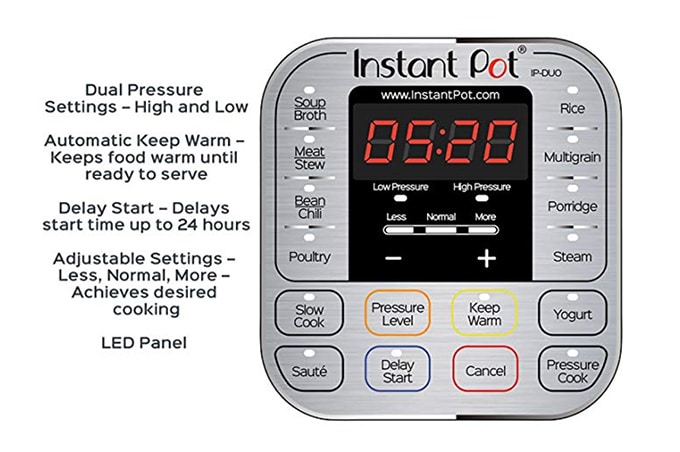
The Instant Pot pressure cooker isn’t just for pressure cooking—its versatile kitchen appliance design includes multiple built-in functions, each tailored for different foods and cooking styles.
Here’s a breakdown of what each button does and how it can support your reheating method or general meal prep:
Pressure cook
This is the primary feature used for cooking or reheating under high pressure or low pressure. It’s ideal for dishes like beans, rice, soups, and stews.
For leftovers, this button combined with a natural release is the best way to gently reheat food.
Use for: Reheating full meals, cooking grains or legumes
Keep Warm
This warm function maintains your food at the perfect temperature until you're ready to serve. It’s also great after using other functions like pressure cooking or sautéing.
Use for: Holding temperature during buffet-style meals or between courses
Slow Cook
This replicates a slow cooker and is ideal for stews, casseroles, and even freezer meals. Combine it with the optional glass lid for easy access and minimal condensation.
Use for: Gentle reheating or long, slow cooking
Sauté
The sauté function lets you brown onions, toast spices, or thicken sauces before or after cooking. It’s also handy for reheating thick dishes like curry or leftover soup.
Use for: Stir-frying, reheating sticky foods, thickening
Soup/Broth
This pre-set creates a gentle simmer for broth-based meals. Ideal for making or reheating any type of soup without overboiling.
Use for: Homemade broth, pot of soup
Meat/Stew
Designed for tougher cuts of meat, but still useful for vegetarian stews or hearty grain dishes. If you eat meat alternatives or plant-based proteins, this setting helps develop flavor and depth.
Use for: Lentil stews, chickpea curries
Bean/Chili
Perfect for cooking beans or lentils from dry. Also great for reheating method meals like chili or dal, especially if frozen in a freezer bag.
Use for: Plant-based protein meals, bean chili, dal
Rice
Automatically calculates the cooking time and pressure needed for perfect rice. Works better than a rice cooker, as it adjusts for moisture content.
Use for: White rice, brown rice, quinoa
Multigrain
Uses longer cook time for hearty whole grains like farro, barley, or steel-cut oats. Great when reheating heavy grains that have been refrigerated.
Use for: Whole grain cooking or reheating
Porridge
Great for oats, congee, or soft lentils. Use this for a soft-textured, tender foods breakfast or soup base.
Use for: Reheating breakfast grains, meal prep oats
Steam
The steam function warms delicate items like dumplings or steamed buns without overcooking. Works well with vegetables or breads like dinner rolls.
Use for: Gentle reheating, good idea for bread, dumplings
Yogurt
A specialized setting for fermentation. Also helpful for maintaining warm temperatures during rising if you’re using your Instant Pot as a yogurt maker or for sourdough cornbread prep.
Use for: Homemade yogurt, fermenting, proofing sourdough
Delay Start
This allows you to delay cooking up to 24 hours—a good tip for prepping meals the night before and having them ready by lunchtime.
Use for: Scheduling morning oats, freezer-to-table dinner
Cooking ideas in Instant pot
Beyond reheating, the Instant Pot shines in meal prep and batch cooking. Consider these ideas:
- Freezer meals: Cook ahead, freeze in a freezer bag, and reheat straight from the freezer. Just add a cup of water to the base and use pressure cooking or slow cook function.
- Leftover soup: Warm soups or broths without compromising flavor.
- Pot of soup: Make a large batch and portion it for weekday meals.
- Instant Pot recipes: Try dishes like risotto, chili, or casseroles that reheat well.
- Favorite Instant Pot soup recipes: Explore classics like lentil soup, minestrone, or butternut squash soup—all of my favorite soups for cooking and reheating in your Instant Pot.
Batch cooking and reheating with this method saves time and ensures you always have nourishing meals ready to go.
You can even label your freezer meals with reheating instructions to streamline your future prep.
Reheating leftovers doesn’t have to be a compromise.
The Instant Pot method gives you a reliable, health-conscious, and efficient way to enjoy meals that taste freshly cooked.
Unlike the microwave or regular lid methods on the stove top, it retains nutrients, moisture, and taste.
Whether you’re reviving last night’s dinner, preparing ahead with freezer meals, or enjoying a nourishing bowl of leftover soup, your electric pressure cooker simplifies the process and ensures consistent results.
It’s the best way to maintain flavor, texture, and vitality in every bite.
Instant Pot recipes you can try
Tried this recipe? We’d love your review!
Tap the stars ⭐⭐⭐⭐⭐ and leave a quick comment to share your thoughts.
Don’t forget to tag @buttered.veg or use #butteredveg when you share your photos—we love seeing what you make!
Follow along on Pinterest, Facebook, Instagram, and YouTube for more Buttered Veg lifestyle content.
Thanks for visiting Buttered Veg!


Tried this recipe? We'd love your review!